How to Create a Social Media Content Calendar That Actually Works
VCentrix Admin
Author
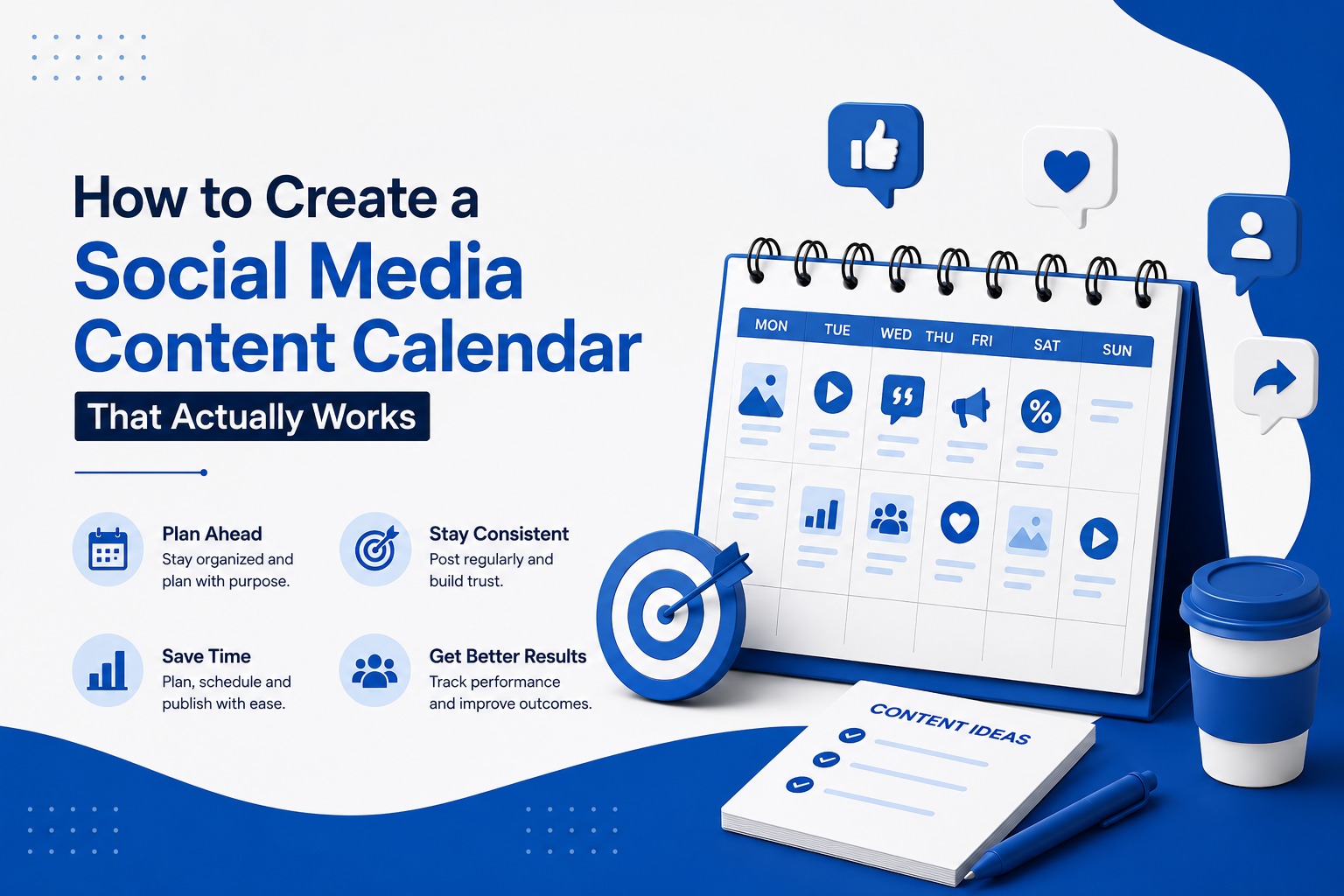
Creating a content calendar sounds deceptively simple until you’re staring at a blank spreadsheet wondering what to post next Tuesday. Many businesses start off with a flurry of excitement and post for a week or two and then disappear because they run out of ideas or time. Creativity is not the problem. That’s a failure to plan strategic content.
A well-planned social media content calendar will help you stay organized and consistent, keep your content aligned with business goals, and reduce last-minute stress. More importantly, it makes sure each post has a purpose, rather than just taking up space on your feed.
Here’s how to make a social media content calendar that works.
What exactly is a social media content calendar?
It is essential for everyone to know that a social media content calendar is a schedule that outlines what content you will publish. It is going to help you plan your campaigns, posts, content, and many other things.
You’ll know precisely what content is going live, rather than wondering, “What should I post today?”
Why Your Business Should Have a Content Calendar?
Posting without a plan too often leads to inconsistent messaging or missed opportunities. A well-organized calendar offers many advantages:
Consistently posts to multiple platforms
Pre-planning saves time
Aligns content with marketing objectives
Enhances team collaboration
Balances different types of content
Allows performance tracking and optimizing future content
One of the biggest factors in growing an engaged audience is consistency, and a content calendar helps you achieve that.
1: Define Goals
Before you start with the process of creating any content, you need to decide what your social media wants.
Goals could be:
Brand awareness
Increasing Traffic
Lead generation
Developing engagement
Increasing followers
Make sure that every goal dictates the kind of content you publish. This is one of the most important factors to consider.
2: Know your audience
The most effective content calendars are built on grounds of what your audience needs.
Ask yourself:
What’s your target customer?
What are their problems?
What kind of questions do they usually ask?
What social channels do they enjoy?
What kind of content do they consume?
Knowing your audience helps you create content that solves problems.
3: Discover Your Content Pillars
Content pillars are the core topics that your brand will continually discuss.
Most businesses do well with four to six pillars.
For example:
Education tips &
Industry insights
BTS content
Customer Stories
Product/Service Overview
Culture at the company
Content pillars also prevent you from repeating the same thing over and over, just in a different way.
4: Build a Weekly Posting Schedule
Not to pick random topics every day, but assign themes for the week.
The following is a humanization of the given text in English. The meaning and tone are preserved. No information is added or omitted. No other text is added to the output.
For instance:
Monday: Educational Tip
Tuesday: Industry Headlines
Wednesday: Customer Success Stories.
Thursday: Behind The Scenes
Friday: Special Offer
This format will help you plan more conveniently and keep your content balanced.
5: Integrate various Content Formats
In place to keep your audience interested, your calendar must include different types of content formats.
Examples are:
Carousel posts
Short videos and Reels
Infographics, Polls, Stories
Still graphics
Tips
Facts
It is said that different formats appeal to different audiences in different ways.
6: Schedule Important Dates
Don’t forget the events that matter to your industry.
Examples are:
Holidays
Product releases
Seasonal campaigns
Industry Events
Awareness days
Company milestones
If you plan ahead, you will never miss a valuable opportunity in marketing.
7: Schedule Content
When your content is planned and prepared, use scheduling tools for automated publishing.
Scheduling saves an ample amount of time and helps you post consistently.
8: Measure Performance
Monitor metrics:
Reach
Engagement
Leads created
Conversion rates
Review all the insights monthly to see what topics and formats work best for the brand.
Mistakes to Avoid
Many companies produce calendars that fail because they make preventable mistakes.
Posting promotional content only
Overlooking audience feedback
Publishing sporadically
Copying competitors without a strategy
Focusing on only the follower count
Not checking analytics
Closing Thoughts
A great social media content calendar is so much more than a publishing schedule. Just remember, consistency over perfection. It’s better to have a realistic content calendar you can actually stick to each week than an ambitious one you abandon after a few days. The endless human tradition of making things more difficult than they need to be means many teams spend more time deciding what to post than they do creating value. A solid calendar quietly fixes that, and your future self will thank you for the lack of last-minute panic.